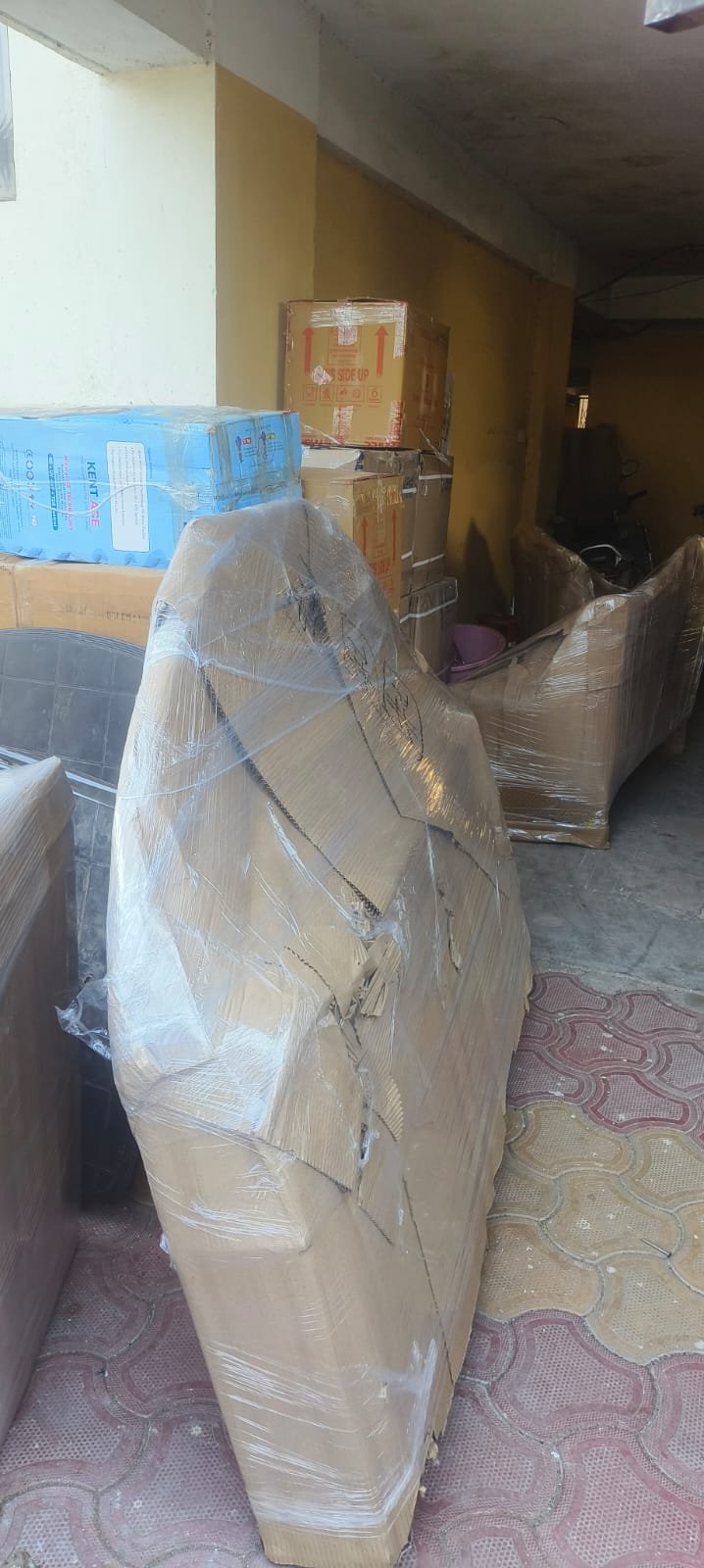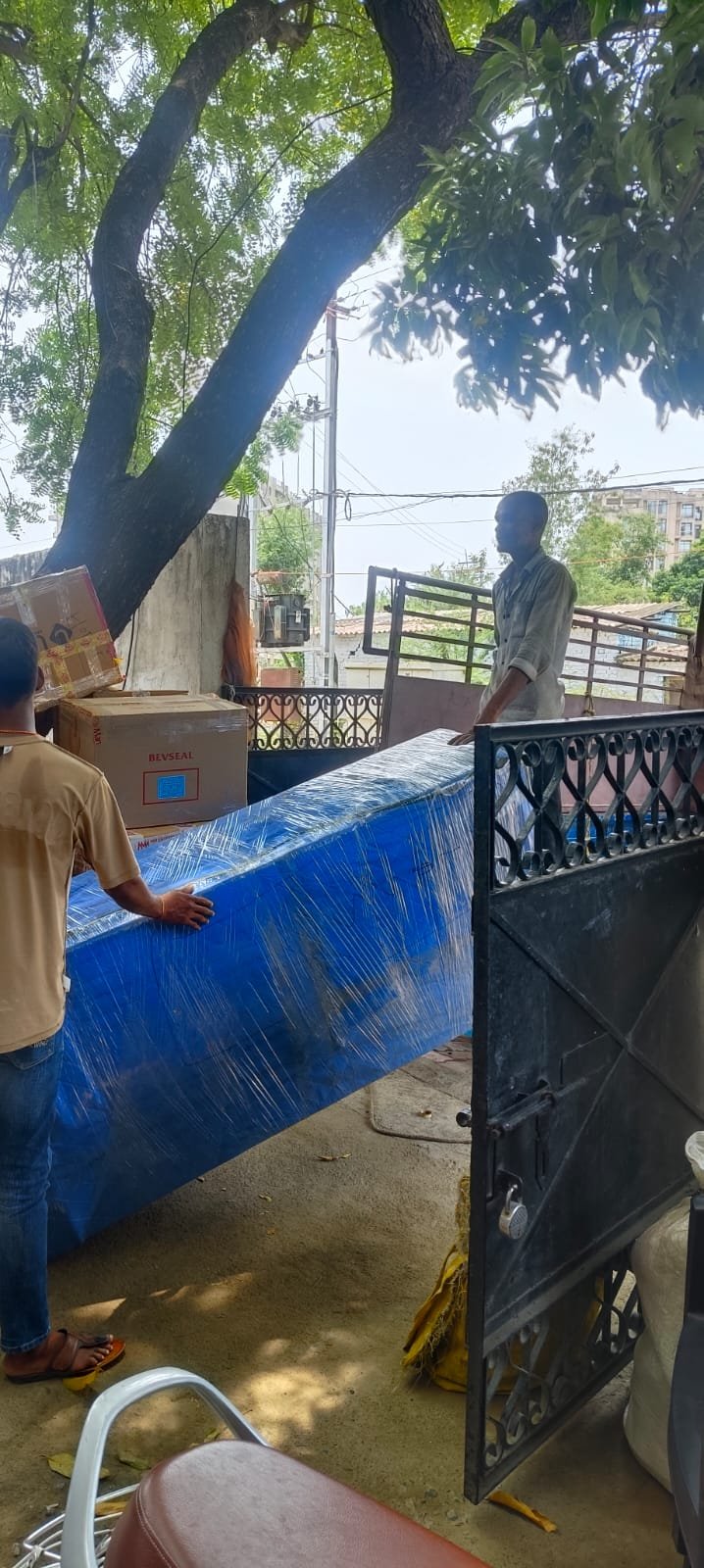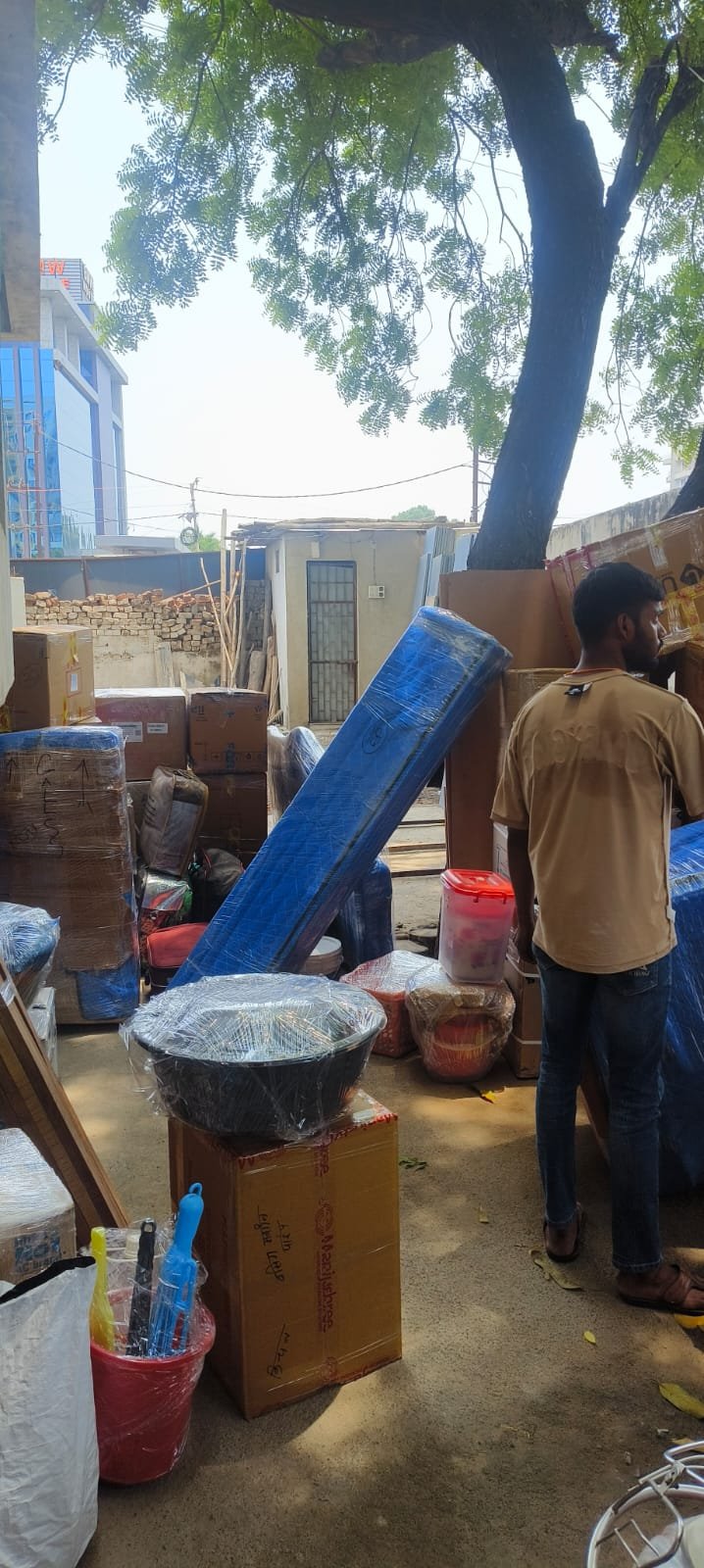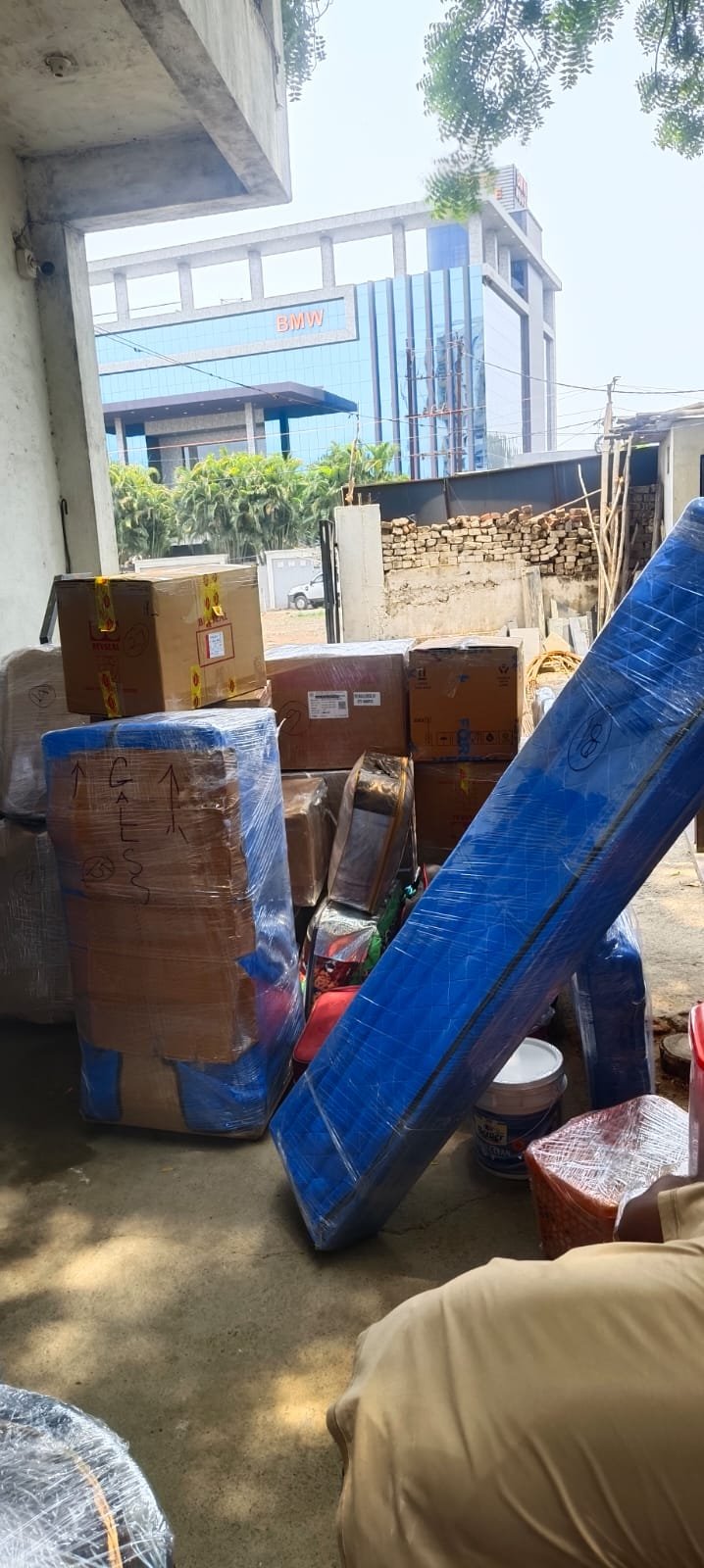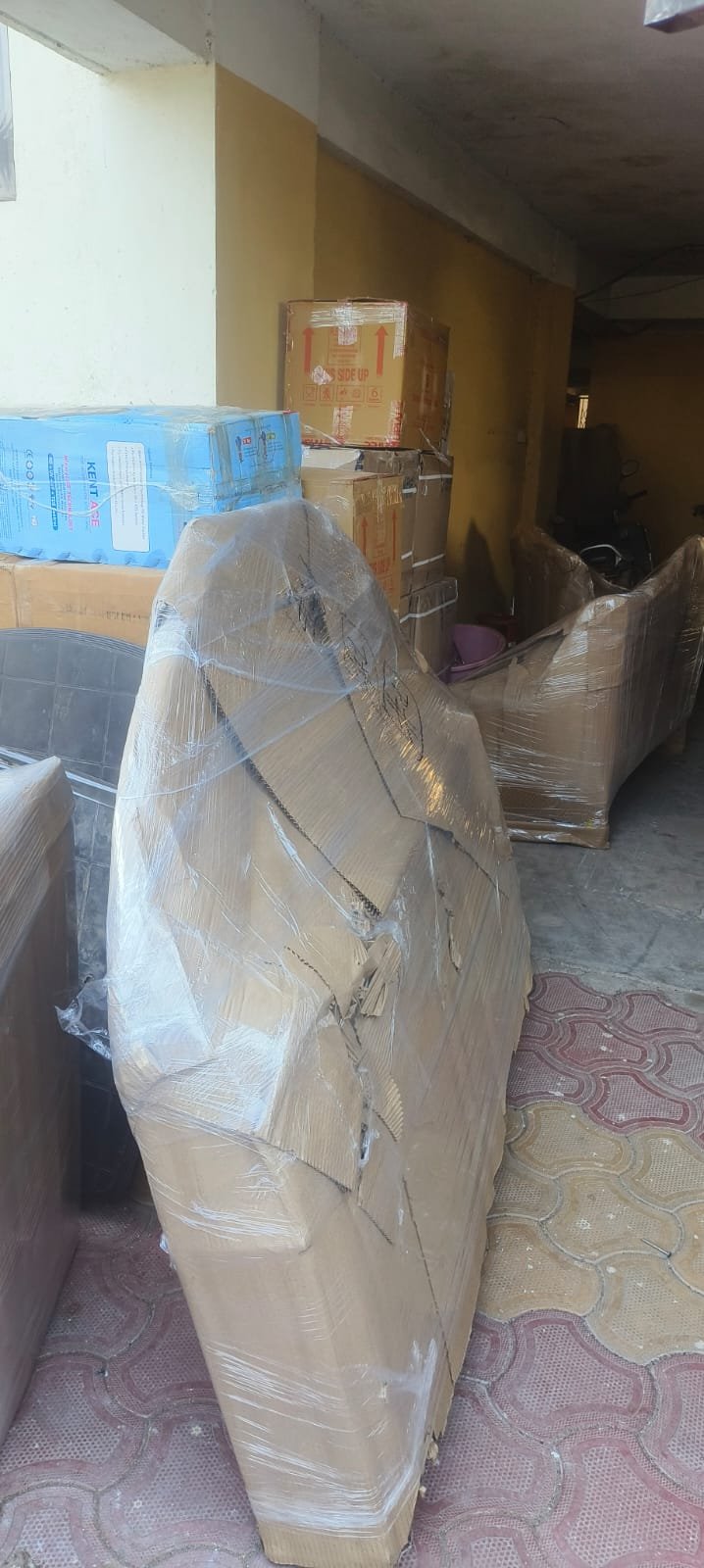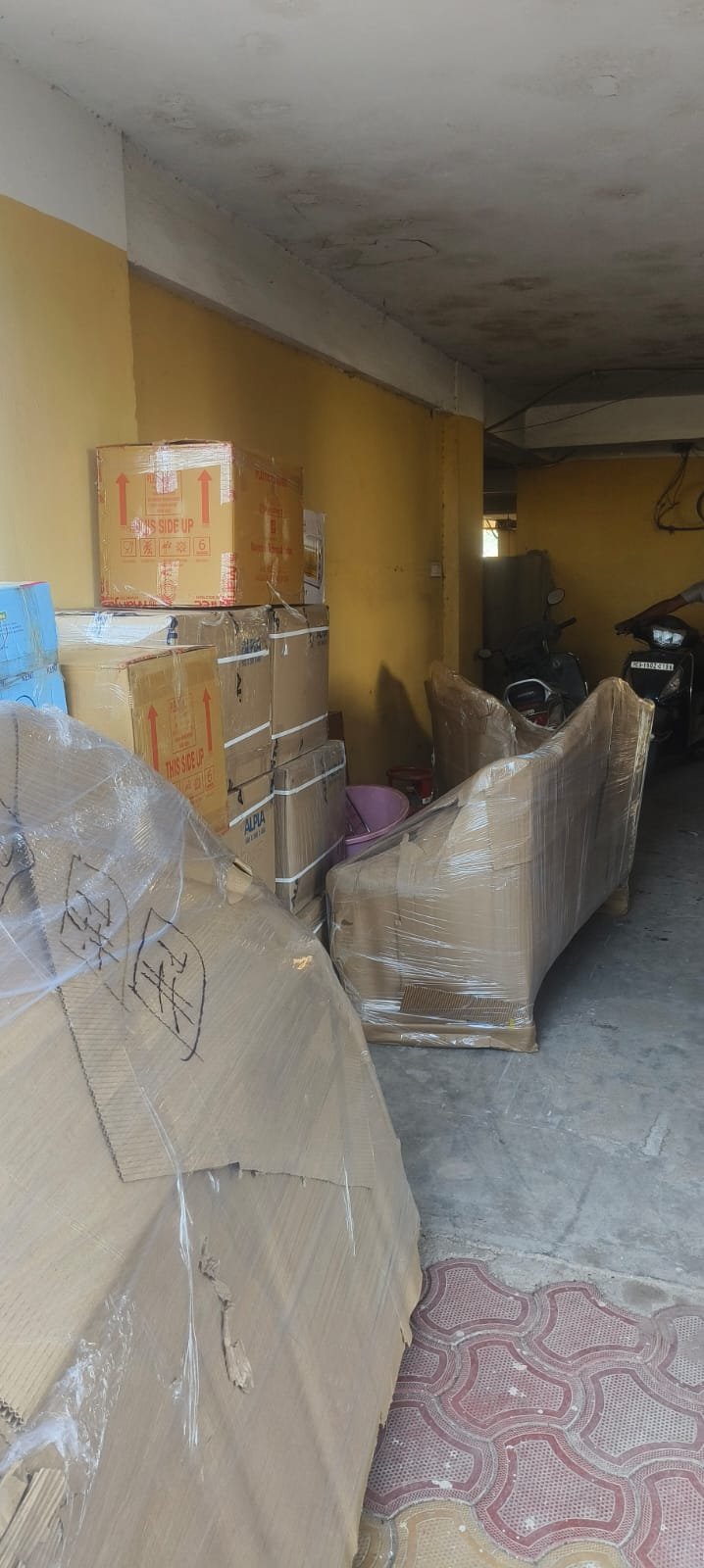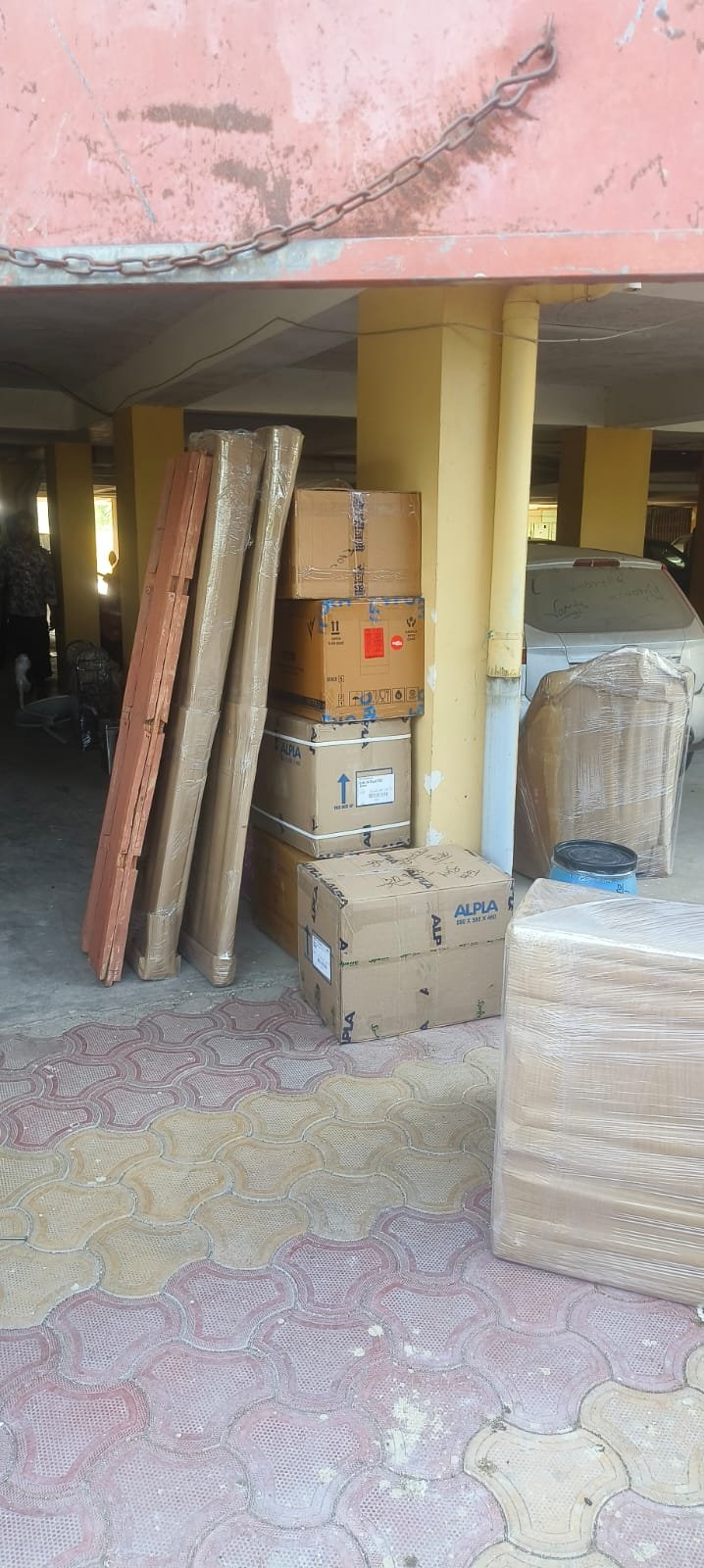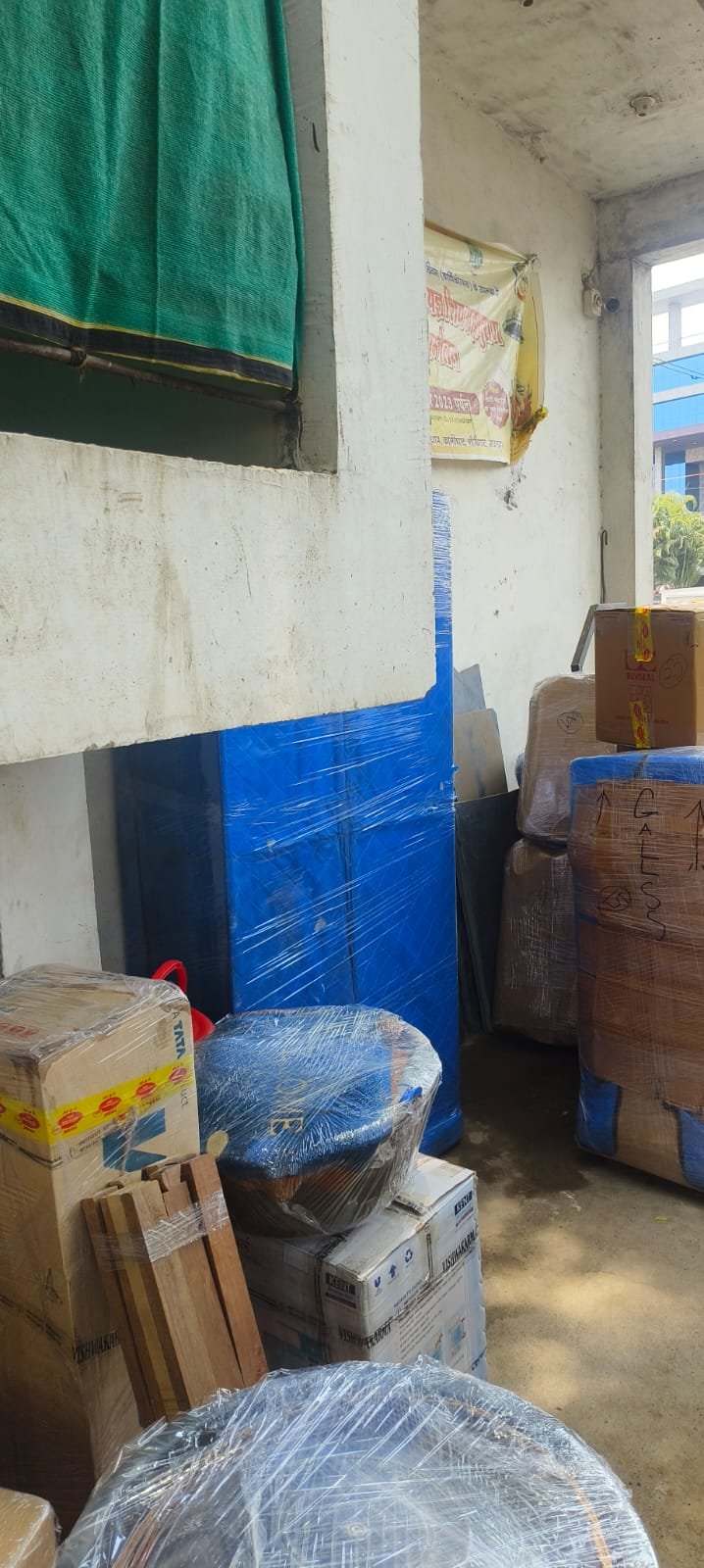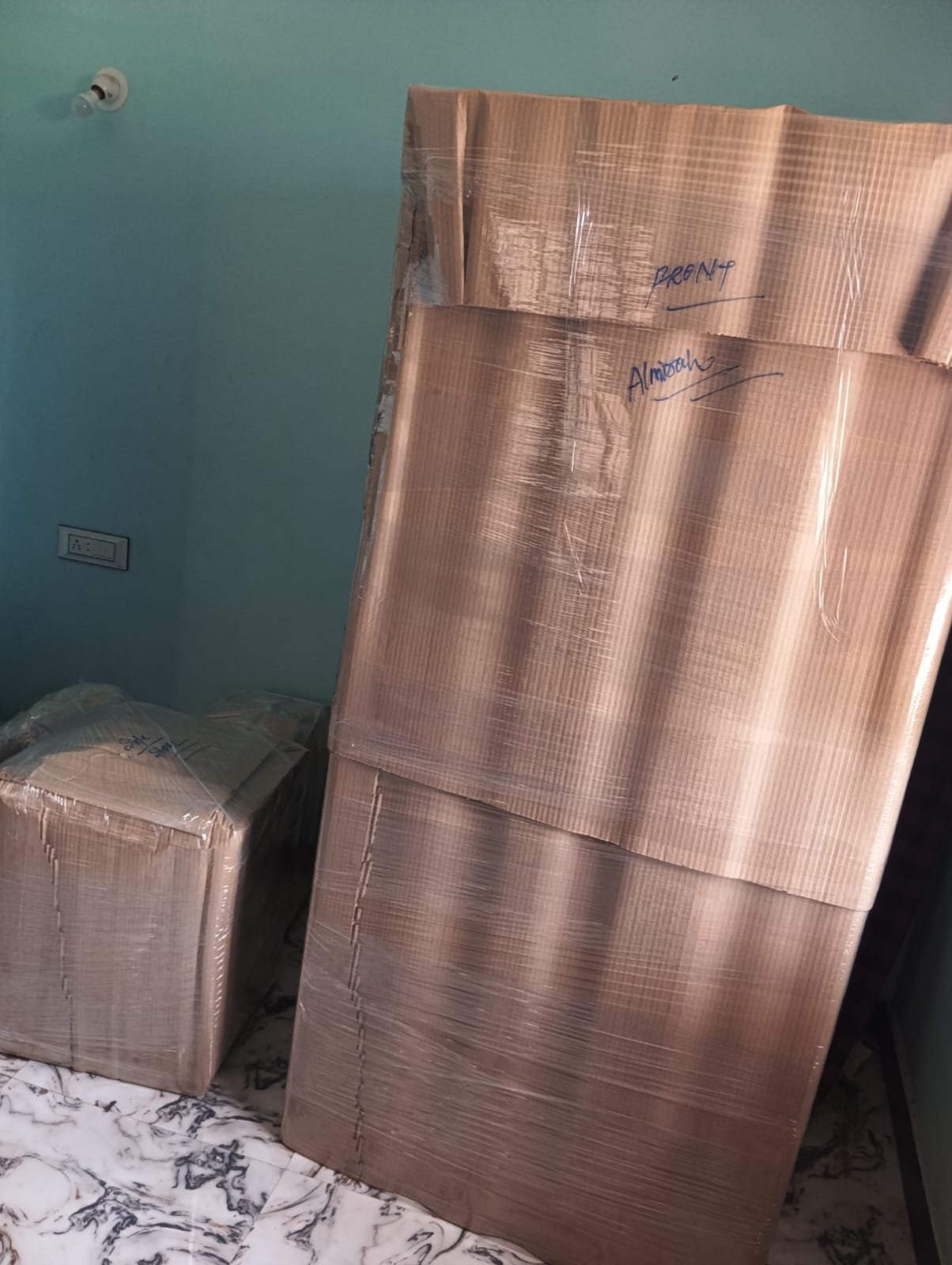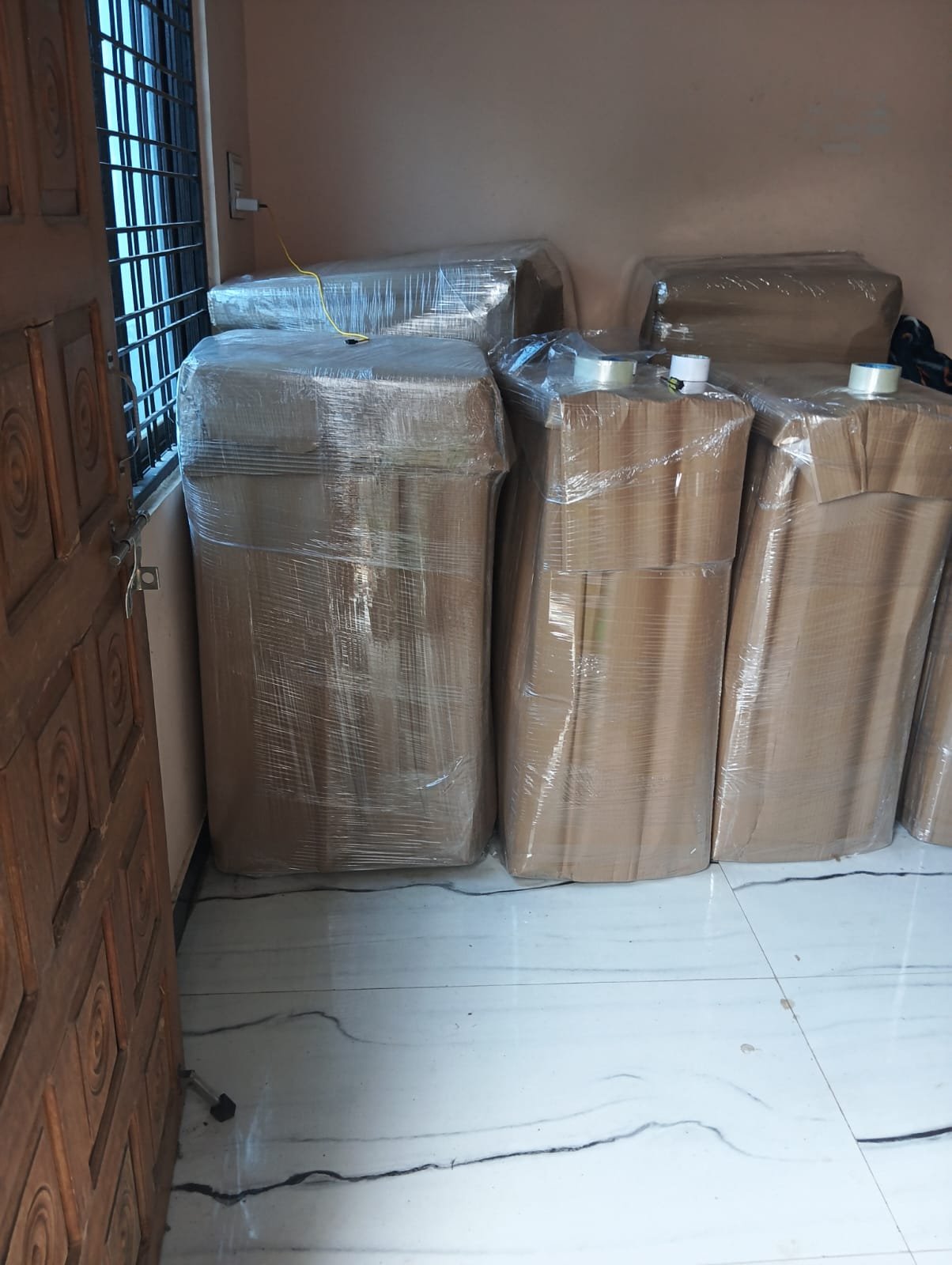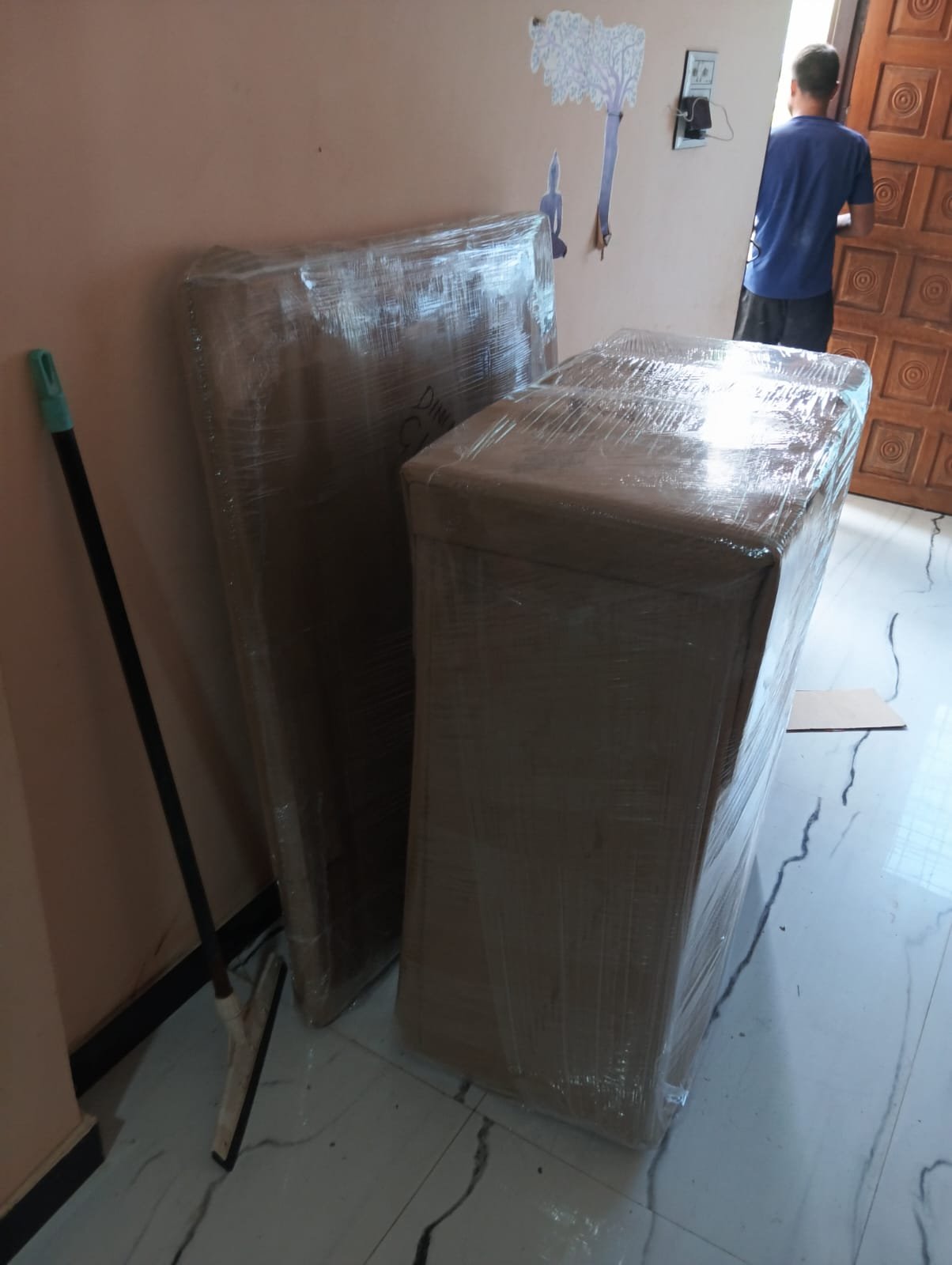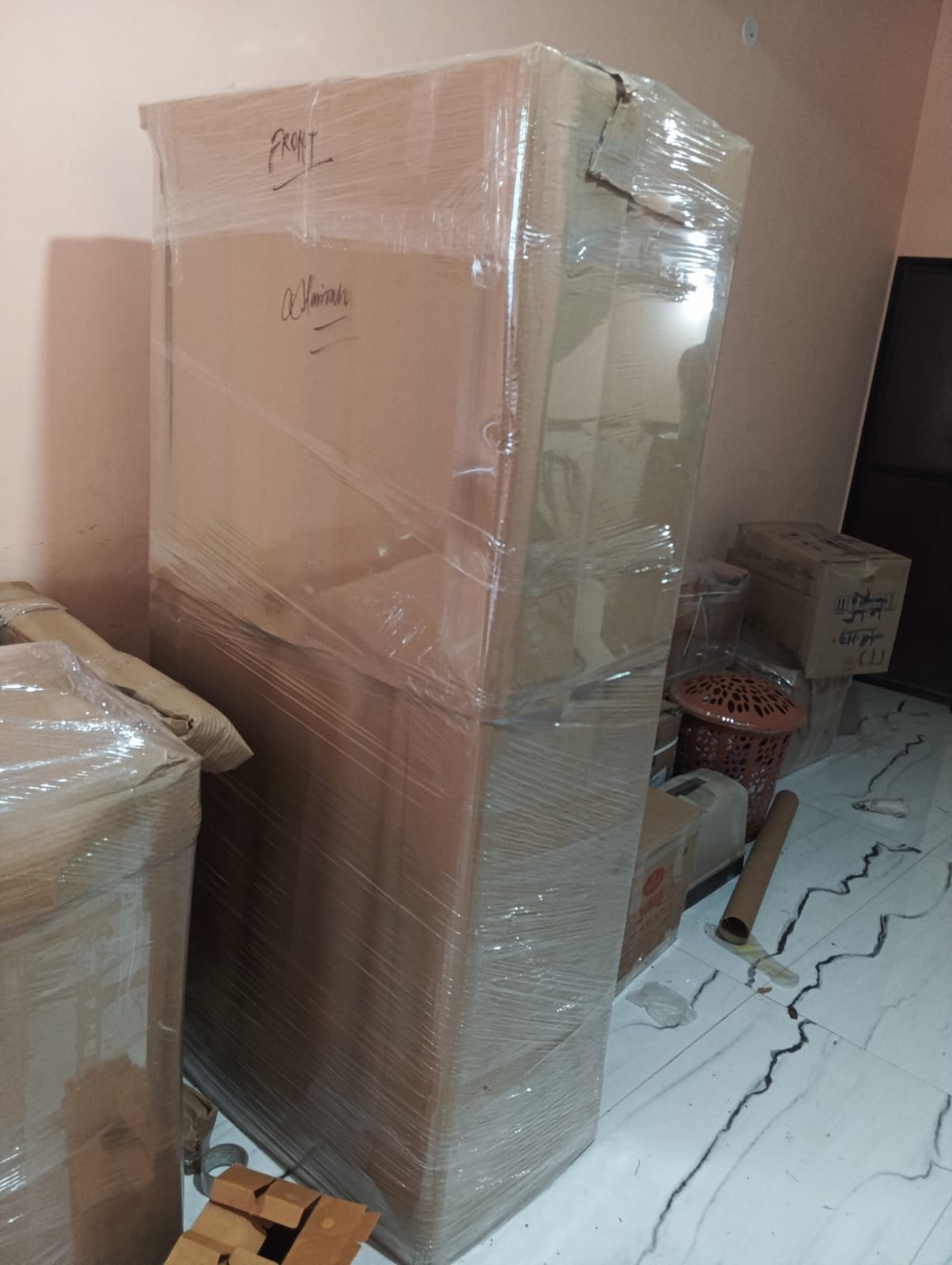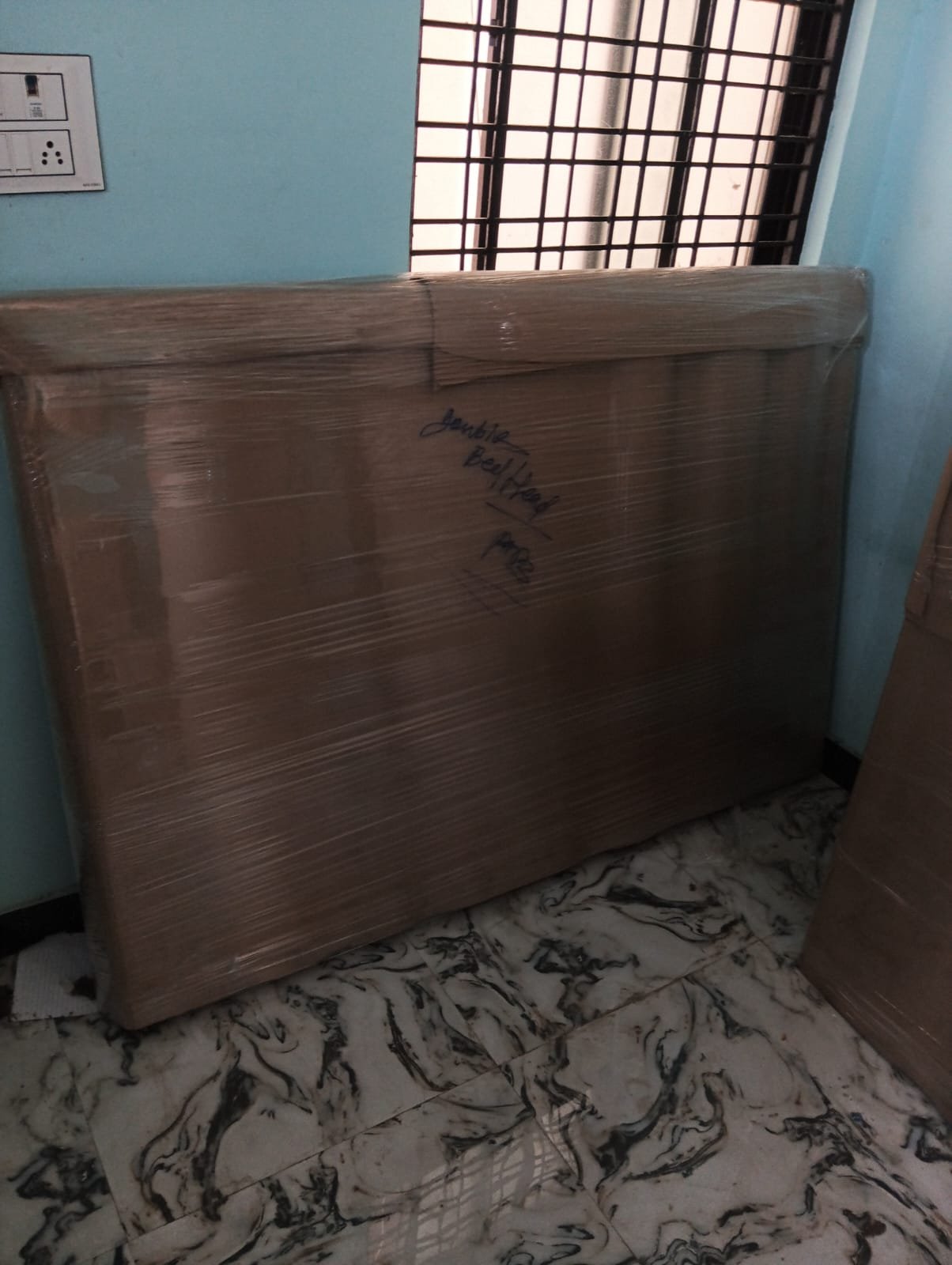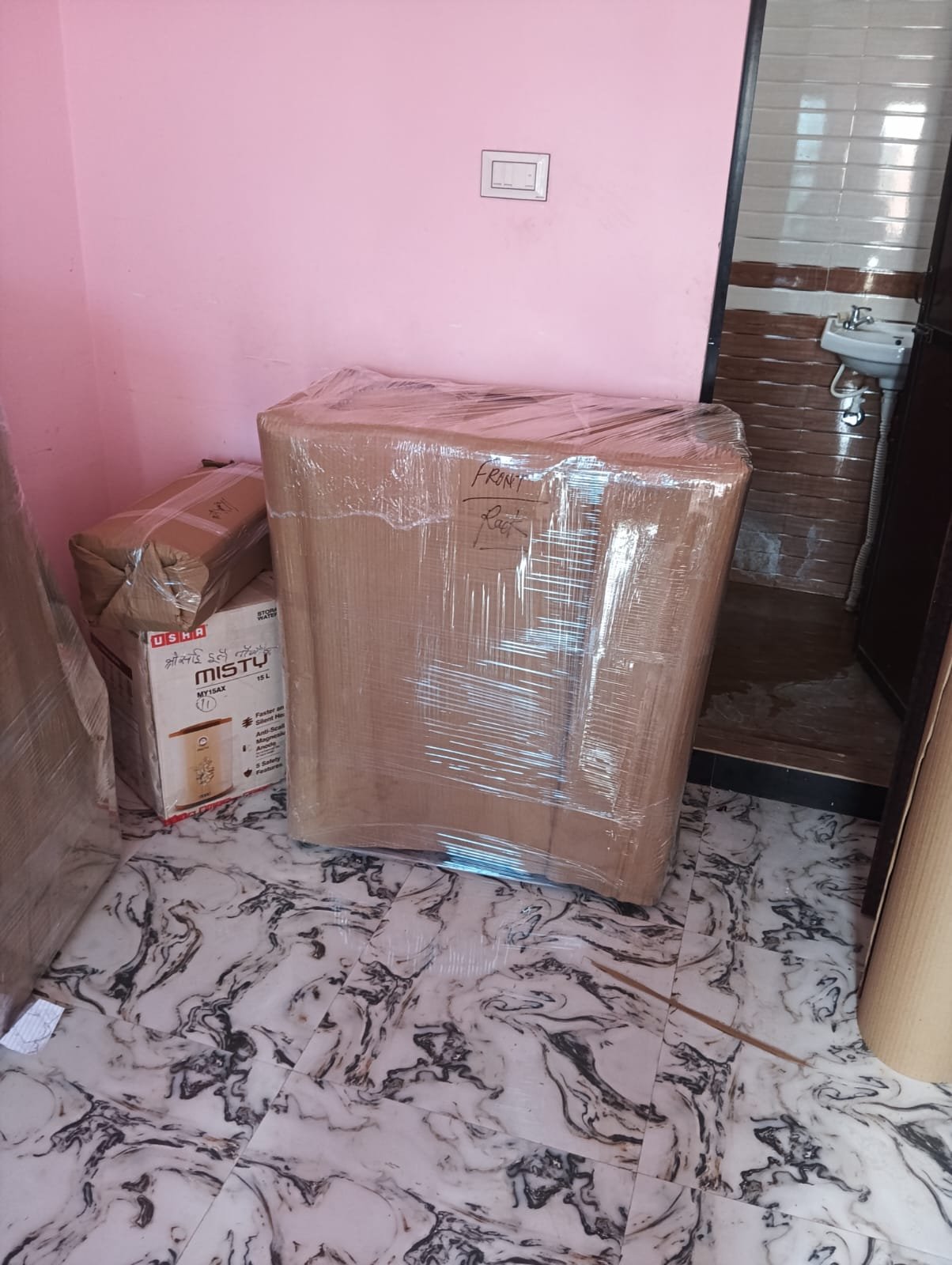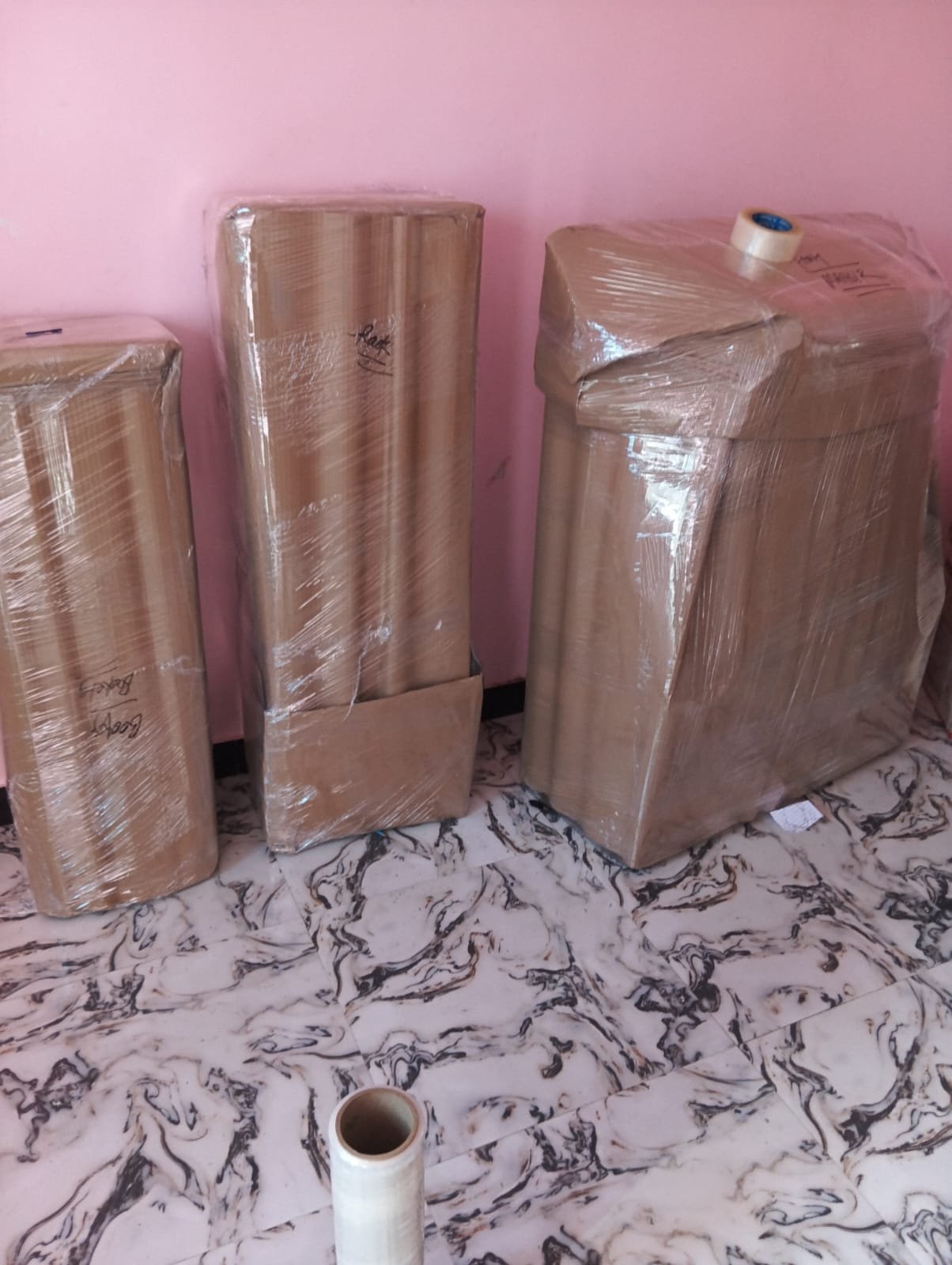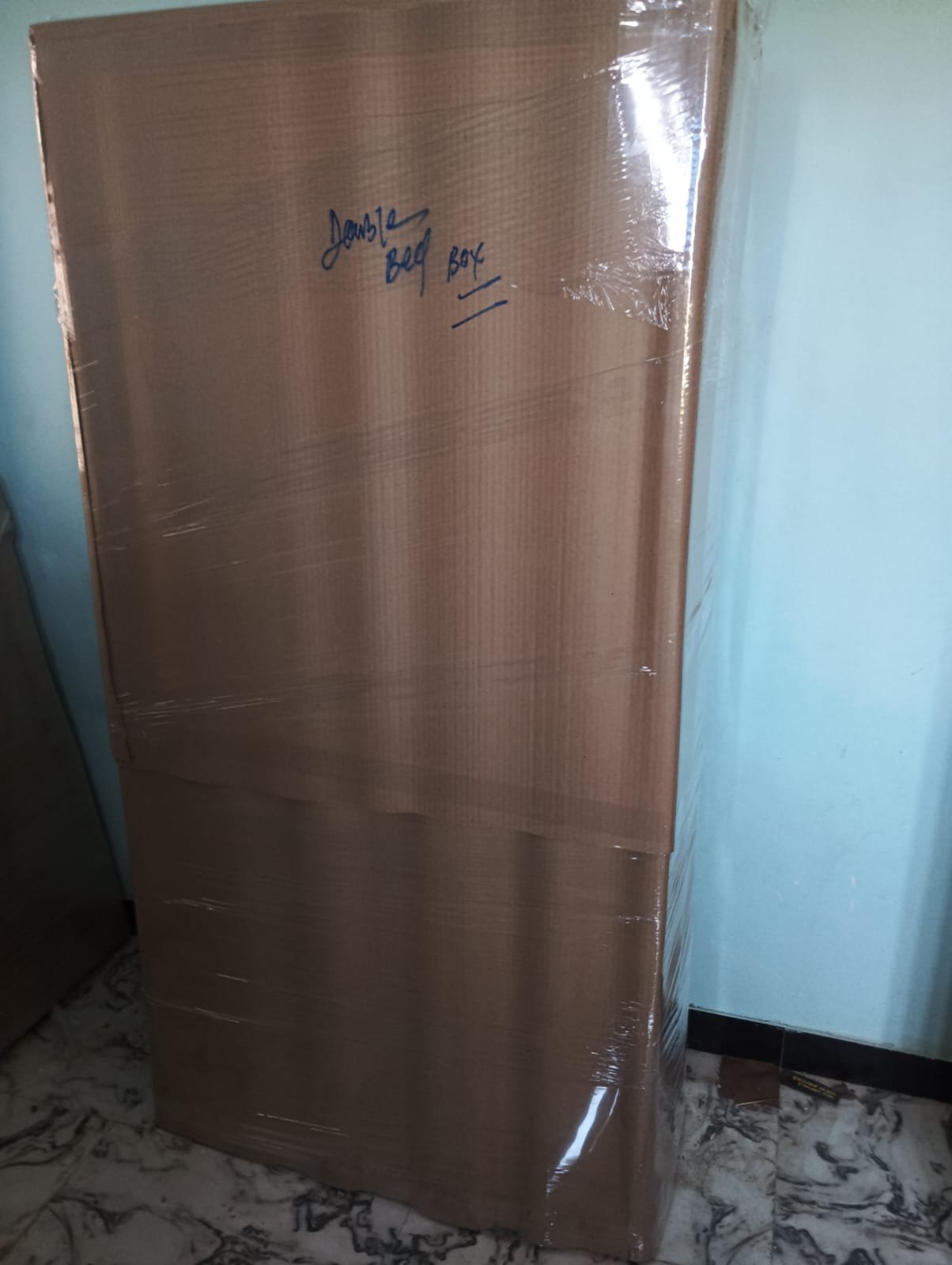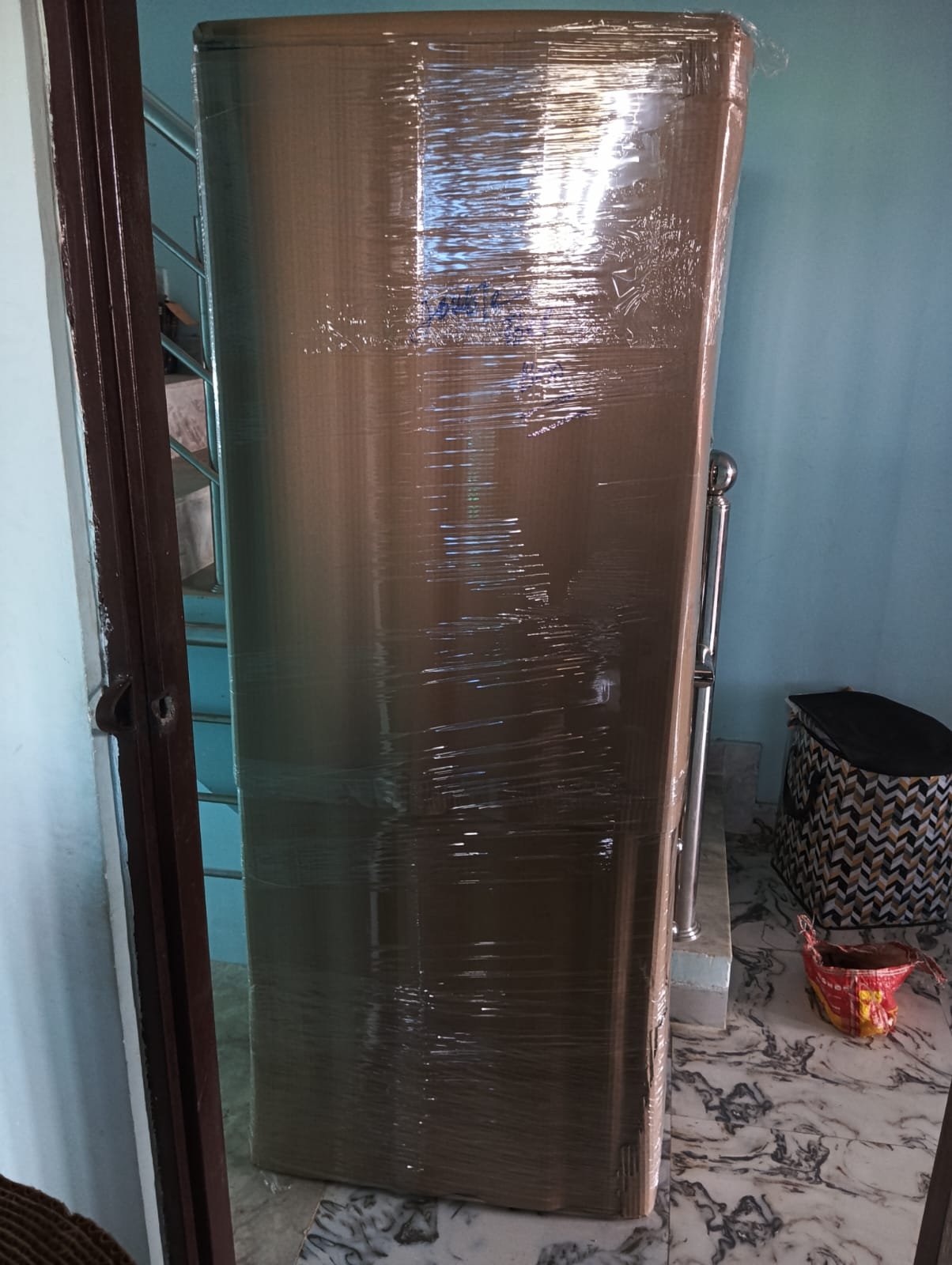


The sound of packing tape peeling back, the sight of towering cardboard boxes, and the sudden realization of just how much stuff you actually own—yes, moving house can feel incredibly overwhelming. In fact, psychologists often rank relocation as one of life’s most stressful events, right up there with changing careers or navigating a major relationship milestone.
But here is the truth: moving doesn’t have to be a chaotic ordeal.
When you strip away the disorganized packing and last-minute rushes, relocation is simply a series of logical steps. By planning ahead and using the right strategies, you can transition to your new home smoothly.
If you are wondering, “How can I move house without stress?”—you are in the right place. Let’s walk through an expert-backed, stress-free blueprint to make your next move your easiest one yet.
Quick Answer: How to Move House Without Stress (Featured Snippet)
To move house without stress, start decluttering four weeks before your move, follow a week-by-week timeline, and pack an “Essentials Box” for your first night. Hiring Trusted Packers and Movers early eliminates physical strain and transit anxiety, turning a chaotic packing process into an organized, hands-free transition.
1. Why Is House Shifting So Stressful? (And How to Shift Your Mindset)
Before looking at the logistics, let’s acknowledge the emotional side of moving. Moving isn’t just about shifting physical boxes; it’s about uprooting your daily routines, your comfort zones, and your memories.
Most moving stress stems from three main triggers:
- The Loss of Control: Feeling overwhelmed by the sheer volume of tasks.
- Time Scarcity: Leaving packing to the very last minute.
- Fear of Damage: Worrying that your expensive electronics, family heirlooms, or favorite glassware will break during transit.
When you recognize these triggers, you can counter them with proactive planning. Instead of viewing the move as one giant, exhausting chore, break it down into micro-tasks.
2. The Week-by-Week Stress-Free Moving Blueprint
A successful, low-stress move is built on a timeline. Here is a practical, week-by-week guide used by professional relocation planners to keep things orderly.
[4 Weeks Out: The Purge] ➔ [3 Weeks Out: Book Professionals] ➔ [2 Weeks Out: Admin & Utilities] ➔ [1 Week Out: Pack Essentials] ➔ [Moving Day: Supervise & Relax]Week 4: The Great Declutter (The “90/90 Rule”)
The easiest way to reduce moving stress is to move less stuff. Less volume means a faster pack, a smaller moving truck, and lower costs.
- Use the 90/90 Rule: Have you used this item in the last 90 days? Will you use it in the next 90 days? If the answer is no, it’s time to donate, sell, or recycle it.
- Go Room-by-Room: Don’t try to declutter the whole house in one weekend. Start with low-traffic areas like the attic, balcony, or spare closets.
Week 3: Secure Your Moving Team
If you plan to use professional household relocation services, book them now. Waiting until the last minute limits your options and often leads to higher prices.
- Research and shortlist Trusted Packers and Movers with proven track records.
- Ask for a virtual video survey to get an accurate, written estimate instead of a verbal quote.
- Check reviews, licensing, and insurance policies to avoid moving scams.
Week 2: Handle the Administrative Logistics
The physical move is only half the battle. You also need to transition your digital and legal life.
- Address Changes: Update your billing address with your bank, insurance providers, and e-commerce platforms.
- Utility Transfers: Arrange for your Wi-Fi, electricity, gas, and water connections to be disconnected at your old home on moving day and activated at your new place the day before you arrive.
- Society Permissions: If you live in an apartment complex, obtain the necessary No Objection Certificates (NOCs) from both your current and future society management offices.
Week 1: Pack the “Survival Box” and Prep Your Home
This is where most moves descend into chaos. Avoid the urge to pack everything randomly.
- The First-Night Box: Pack a clearly labeled bag or box with essentials: chargers, toiletries, a change of clothes, basic tools, a kettle, instant coffee, toilet paper, and important medications. Keep this box with you in your personal vehicle; do not load it onto the moving truck.
- Defrost the Fridge: Unplug, empty, and thoroughly defrost your refrigerator at least 24 hours before the move to prevent leaks and mold during transit.
Moving Day: Trust the System
If you have prepared well, moving day should be about coordination, not heavy lifting.
- Introduce yourself to the moving crew.
- Walk them through the house, pointing out fragile items, heavy furniture, and specific handling instructions.
- Take photos of utility meter readings at both the old and new properties for your records.
3. Hiring Professionals vs. DIY: A Quick Comparison
Should you rent a truck and ask your friends for help, or should you hire premium House Shifting Services? Let’s compare the two approaches realistically.
| Stress Factor | DIY Moving (Do-It-Yourself) | Professional Shifting Services |
|---|---|---|
| Physical Effort | High. You pack, lift, load, and unpack everything yourself. | Minimal. The crew handles all packing, heavy lifting, and loading. |
| Safety & Damage Risk | Moderate to High. Lacking proper packing materials increases damage risk. | Very Low. Specialized multi-layer packing protects fragile items. |
| Hidden Costs | High. Fuel, truck rentals, box purchases, and broken items add up quickly. | Low. You get an upfront, clear quote with no surprise fees. |
| Time Investment | Takes days or weeks of your personal free time. | Completed efficiently in a matter of hours. |
| Liability & Insurance | If you drop your TV, you pay for it. | Covered by comprehensive transit insurance options. |
4. Pros and Cons of Professional Relocation Services
Hiring an expert team like Vishwakarma Packers and Movers is the most effective way to eliminate stress, but it’s important to weigh all aspects of the decision.
The Benefits:
- No Heavy Lifting: Avoid back strain and injuries from carrying heavy wardrobes or washing machines down narrow staircases.
- Specialized Packing Materials: Professionals use high-grade bubble wrap, heavy-duty cardboard boxes, foam corner protectors, and customized wooden crates for delicate electronics.
- Logistical Expertise: Experienced drivers know the best routes, local transport regulations, and how to safely secure loads for long-haul journeys.
- Time Efficiency: What might take you three weekends to pack can often be safely boxed up by a professional crew in under four hours.
The Drawbacks:
- Upfront Cost: Hiring premium services is an investment. However, when you factor in the value of your time, the physical effort saved, and the safety of your belongings, it is highly cost-effective.
- Coordination Effort: You still need to be present to guide the team, manage society security gates, and double-check inventories.
5. 4 Common Shifting Mistakes That Cause High Stress
Over the years, we have seen where moves go wrong. Avoiding these four common mistakes will instantly cut your moving anxiety in half.
1. Hiring Solely on the “Lowest Price”
It is tempting to choose the cheapest quote you receive. However, in the moving industry, extremely low prices are often a red flag. Unlicensed operators may quote low upfront, only to hold your household goods hostage on moving day while demanding “hidden surcharges.” Always work with verified, Trusted Packers and Movers who provide transparent, itemized invoices.
2. Forgetting to Label Boxes Contextually
Writing “Kitchen” on a box is helpful, but writing “Kitchen – Plates & Daily Mugs” is a lifesaver. Contextual labeling prevents you from having to open ten different boxes just to find a coffee mug on your first morning in the new house.
3. Neglecting Transit Insurance
Many people skip transit insurance to save a few hundred rupees, thinking, “It’s only a short distance; what could go wrong?” But road conditions, unexpected weather, and sudden braking are out of anyone’s control. Having comprehensive insurance coverage gives you complete peace of mind during the journey.
4. Packing Flammables or Liquids
Never pack liquid detergents, aerosols, paint thinners, or cooking oils in cardboard boxes alongside your clothes or documents. A single leak can ruin an entire box of valuable items. Keep these items separate, or discard them before moving.
6. Expert Tips for Moving with Kids and Pets
Moving is tough on adults, but it can be even more confusing and disruptive for children and pets.
- For Kids: Keep their bedroom setup for as long as possible. Pack their toys and bedding last, and unpack them first at the new house. This visual continuity helps them feel safe and settled.
- For Pets: Dogs and cats pick up on packing stress. On moving day, keep them in a quiet, closed room with their favorite blanket, water bowl, and toys to shield them from the noise of packing tape and moving crews. Alternatively, consider boarding them with a friend or a pet daycare for the day.
7. Future-Forward Trends: How Smart Technology is Reducing Moving Stress
The relocation industry is evolving rapidly, making the entire process more predictable and user-friendly.
- AI-Powered Volume Estimators: You no longer need to guess how many boxes you need. Advanced virtual tools estimate your shipment’s volume simply by analyzing a quick video of your rooms.
- Real-Time Fleet Tracking: Modern household relocation services utilize GPS tracking. You can view your moving truck’s real-time location on your phone, much like tracking a food delivery.
- Eco-Friendly Transitions: Many forward-thinking companies are replacing single-use plastic tapes and cardboard with heavy-duty, reusable plastic moving tubs, helping you enjoy a greener, waste-free move.
8. Practical Actionable Takeaways
If you are preparing for a move right now, keep these core takeaways in mind:
- Start early: Give yourself at least a month to prepare, pack, and transition.
- Declutter first: Do not pay to pack and transport items you no longer use.
- Invest in safety: Partner with a licensed, insured, and reputable partner like Vishwakarma Packers and Movers.
- Pack an Essentials Box: Keep your first-night items with you so you don’t have to search through dozens of boxes when you are tired.
9. Conclusion: Your New Chapter Awaits
Moving to a new home is an exciting milestone. It represents new beginnings, fresh routines, and new memories waiting to be made. By staying organized, following a structured timeline, and letting experienced professionals handle the heavy lifting, you can protect your peace of mind throughout the journey.
Are you preparing for an upcoming move? Let us take the stress off your hands. Contact Vishwakarma Packers and Movers today for a transparent, zero-obligation quote, and experience a smooth, worry-free transition to your new home.
10 Highly Searchable FAQs
Q1. How do I choose a reliable and trusted moving company?
To find Trusted Packers and Movers, check their physical office address, read verified online reviews on Google and neutral platforms, confirm they offer written quotes with no hidden fees, and ensure they provide formal transit insurance policies.
Q2. What should I pack first when moving house?
Start packing seasonal or low-use items first. This includes out-of-season clothes, books, decorative pieces, fine china, extra bedding, and stored garage items. Save daily kitchen items, toiletries, and electronics for last.
Q3. Is it worth paying for packing services?
Yes, paying for professional packing is highly recommended if you have fragile items, heavy furniture, a busy schedule, or are moving long-distance. Professional packing drastically reduces the risk of damage and saves you days of personal labor.
Q4. How do I prepare my household appliances for a move?
Clean and completely dry your washing machine, microwave, and dishwasher. Secure all internal loose parts (like microwave turntables) or pack them separately. Defrost your refrigerator at least 24 hours prior to moving day.
Q5. What is transit insurance, and do I really need it?
Transit insurance covers any accidental damage or loss of your goods while they are in transit between your old and new homes. It is highly recommended because it offers financial security against unpredictable road accidents or weather issues.
Q6. How long does a typical home shifting process take?
For a standard 2 BHK apartment, local packing and loading take about 3 to 5 hours. Unloading and unpacking at your new destination take another 2 to 4 hours. The total duration depends on the volume of goods and transit distance.
Q7. Can packers and movers transport my car or bike?
Yes, professional household relocation services can transport vehicles. Cars and bikes are loaded onto specialized car carrier trucks or enclosed multi-car trailers to ensure safe, scratch-free transport across cities.
Q8. What items will professional packers and movers refuse to pack?
Professional movers do not transport hazardous materials, including LPG cylinders, liquid fuels, firecrackers, paint thinners, aerosol cans, and loose oils. You must also personally carry valuables like cash, jewelry, and legal documents.
Q9. How do I handle society gate passes on moving day?
Visit your society management offices at both your current and new residential complexes at least three days before your move. Request written gate passes for the moving truck, and clarify the designated parking areas and permissible moving hours.
Q10. What should I do immediately upon reaching my new home?
First, verify your inventory list as the moving team unloads the boxes. Inspect all major appliances and fragile items for damage. Set up your beds first so you have a comfortable place to sleep after a long day, followed by your bathroom and kitchen essentials.